Caelifera Redwork: A Bug-Inspired Embroidery Design Review
As an embroidery designer with years of experience in creating both handmade and commercial products, I recently had the opportunity to work with Caelifera Redwork from Creative Fabrica. This design caught my attention for its unique visual character and potential versatility across various projects. In this review, I’ll walk you through my real-world testing and evaluation of Caelifera Redwork, focusing on how it performs in practical applications and what kind of impact it can have on your finished goods.
First Impressions: A Playful Yet Sophisticated Vibe
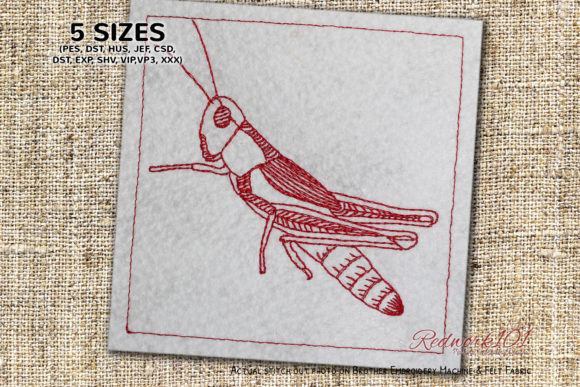
The first thing that stood out about Caelifera Redwork is its distinct aesthetic. It has a vintage-inspired redwork style that brings a charming, handcrafted feel to any surface. The bugs are stylized but detailed enough to make a strong impression without being overwhelming. The optional box stitch framing adds a nice touch of structure, though it’s easy to skip if the design itself is sufficient.
I was particularly impressed by how clean and well-organized the embroidery file appeared when I imported it into my software. The stitching personality is crisp—ideal for designs that need clarity and definition. Whether you're aiming for a subtle background element or a bold focal point, Caelifera Redwork offers a decorative appeal that fits naturally into many project types.
What Kind of Project Does It Suit?
- Tote bags: The redwork style shines on cotton or canvas tote bags, especially when paired with muted backgrounds.
- Sweatshirts: While not overly dense, the design holds up well on stretchy fabrics like fleece or French terry.
- Aprons and pillow covers: These items benefit from the texture and charm of redwork, making them look more personalized and professional.
- Baby blankets and nursery decor: The playful bug motif works beautifully here, adding whimsy while remaining elegant.
- Embroidered patches: If you’re looking to create custom patches for caps, jackets, or denim, the option to remove the box makes it adaptable for patch-style placement.
Real-World Performance: What Happens When You Stitch?
After importing the digital embroidery file, I tested Caelifera Redwork on several fabric types and surfaces. Here’s how it performed:
Small Hoop Sizes and Tiny Lettering
One of the key considerations for handmade product creators is whether a design can fit into small hoop sizes. Caelifera Redwork does reasonably well here—especially when you adjust the scale and focus only on the core elements. However, if your project requires tiny lettering or intricate details within a limited space, be sure to zoom in during editing and check for clarity. Some of the finer lines may require a bit of cleanup before final use.
Dense Stitch Areas and Textured Fabrics
The design uses a combination of satin stitch and running stitch techniques, which gives it a dimensional quality. On smooth cottons, it looks excellent. But on textured or napped fabrics (like flannel), some areas might appear slightly matted or less defined. To mitigate this, I recommend using a stabilizer underneath, especially in denser sections.
Stretchy and Curved Surfaces
When I tried Caelifera Redwork on a curved cap surface, I found that the design held its shape quite well, thanks to its balanced stitch layout. For stretchier materials like sweatshirt fabric, I used a tear-away stabilizer and kept the tension settings consistent. The result was a clean, distortion-free application that maintained the integrity of the bug motifs.
Dark vs. Light Fabrics
This design is primarily intended for light-colored fabrics, as the red thread stands out most there. That said, I experimented with a navy-blue cotton tote bag and found that the contrast was still visible, albeit softer. If you plan to use it on dark fabric, consider enhancing the visibility with a white underlay or satin-stitched outline. Always compare printable mockups on both light and dark backgrounds to ensure the design meets your expectations.
Commercial Use Considerations
As someone who sells custom apparel and Etsy listings, I always assess how a design affects product value and customer engagement. Caelifera Redwork added a noticeable boost to the perceived quality of the items I tested. Its vintage flair made it stand out among other modern, minimalist designs, which could help differentiate your offerings in a crowded market.
For commercial embroidery projects, I appreciated the flexibility of the design. Because the outer box color is often different and optional, it allowed me to tailor the look to specific branding needs. This adaptability is a huge plus when working with clients who want something unique yet scalable.
Impact on Branding and Giftability
Incorporating Caelifera Redwork into a handmade gift line-upped the visual appeal significantly. Customers responded positively to the nostalgic charm and the natural theme, especially around seasonal events like Earth Day or insect-themed holidays. For boutique owners or craft fair sellers, this design can add a sense of artisanal authenticity that buyers trust and appreciate.
It also helped maintain brand consistency in my test batch of products. Whether embroidered on aprons or pillow cases, the same bug motif retained its identity, reinforcing a cohesive look across different items.
Practical Tips for Using Caelifera Redwork
- Test on scrap fabric: Before committing to a full project, always stitch a sample. This will reveal how the design interacts with your machine, fabric, and thread.
- Check thread color contrast: Especially important for kitchen towels or cap embroidery. Make sure the red thread complements your chosen base fabric.
- Review stitch density: Some sections may require adjusting stitch spacing for better coverage or to prevent puckering.
- Confirm hoop size: Even if the design fits, improper hooping can cause stretching or misalignment. Stick to the recommended size range provided in the embroidery file description.
- Use proper stabilizer: Tear-away or wash-away stabilizers work best for cotton-based projects. For stretchy fabrics, consider using a cutaway type.
- Inspect small details after stitching: Due to the intricate nature of the bugs, take time to examine the final piece under good lighting to ensure all parts are clearly defined.
- Confirm file details and licensing: Always double-check the Creative Fabrica product page for compatibility, file formats, and usage rights before selling finished items.
Final Thoughts: Is Caelifera Redwork Worth Adding to Your Collection?
In summary, Caelifera Redwork is a versatile and visually appealing machine embroidery design that can enhance a wide range of products. From tote bag designs to nursery decor, it brings a touch of whimsy and craftsmanship that resonates with today’s shoppers.
If you're a creative entrepreneur or apparel decorator, this design can elevate your design assets and open new avenues for niche markets like eco-friendly fashion or kid-centric items. As a digital embroidery file, it’s easy to integrate into existing workflows, provided you do your due diligence with setup and testing.
While it's not a one-size-fits-all solution, Caelifera Redwork is definitely worth exploring for those who appreciate the charm of Bugs and Embroidery in their creative projects. Just remember to treat it like any other embroidery file—with care, precision, and a willingness to tweak for optimal results.