Card Case Embroidery Design Review: A Practical Take
First Impressions of Card Case
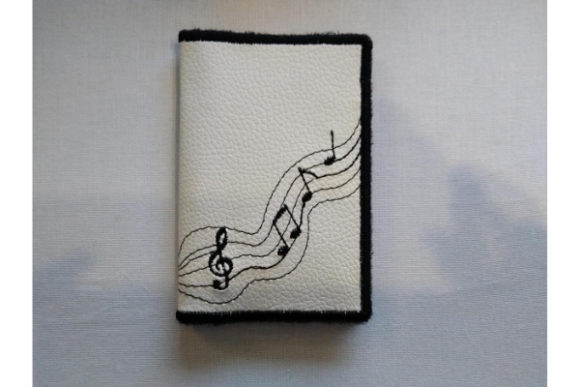
The Card Case embroidery design makes a clean and functional first impression. It’s not flashy, but it carries a sense of thoughtful structure that hints at its potential in real-world applications. The layout is balanced—neither too busy nor too sparse—which gives it a professional look without feeling overdesigned. As an experienced embroiderer, I appreciate the attention to shape and detail here; it feels like this design was crafted with purpose.Real-Life Application Scenarios
Let’s imagine using Card Case on a few common project types:Custom Tote Bag: This design would work beautifully as a central motif on a canvas tote. The stitching clarity is strong enough to stand out against medium-weight fabric, and the layout allows for easy placement around gussets or handles. It adds a touch of sophistication without overwhelming the space.
Sweatshirt Embroidery: Placed near the chest area, Card Case can serve as a brand logo or personal monogram. Its moderate size ensures it doesn’t get lost on larger garments, while the stitch count (assuming standard coverage) should hold up well after repeated washing.
Baby Apparel or Nursery Decor: With the right thread colors, this design could be softened to suit a baby’s onesie or a decorative pillow cover. The lack of overly intricate details helps keep it from appearing cluttered on smaller surfaces, making it ideal for projects where subtlety is key.
Other Potential Uses
- Embroidered Patches: The design translates well into an applique format, especially if satin stitch areas are minimized for durability.
- Cap or Hat Designs: While possible, curved surfaces may require some repositioning or resizing to maintain proportions and stitch integrity.
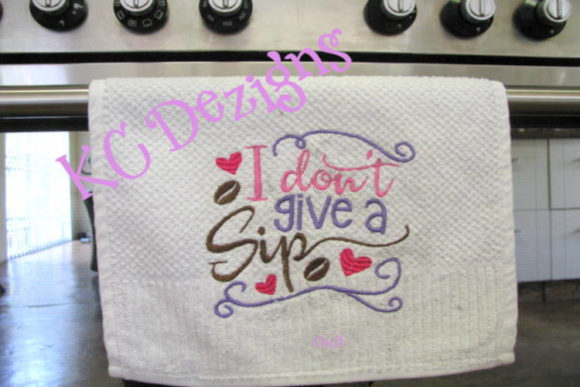
- Tea Towels or Kitchen Items: These items benefit from designs that are both decorative and machine-wash friendly. Card Case seems like a good candidate for embroidered tea towels or aprons.
Where to Use with Caution
- Small Hoop Sizes: If you plan to resize the design significantly, test it thoroughly. Small details may lose their charm when scaled down.
- Textured Fabrics: On materials like denim or flannel, stitch density and thread tension will need fine-tuning to avoid distortion or puckering.
- Thin or Stretchy Fabric: Delicate fabrics such as silk or stretch knits can cause issues with fill stitches or running stitch lines. A stabilizer becomes essential here.
- Dark Backgrounds: Thread color contrast is critical. Lighter thread colors might appear washed out unless the background fabric is sufficiently dark.
- Curved Surfaces: When placing the design on a cap or curved patch, consider how the layout interacts with the curvature. Some parts may shift or stretch during sewing.
Visual Appeal and Project Value
One of the things I love about Card Case is its ability to elevate a simple product. It brings a sense of craftsmanship and intentionality to whatever it's stitched onto. From a customer perspective, it looks polished and trustworthy—perfect for handmade products sold online or at craft fairs. In terms of product value, adding this design can increase perceived quality. For an Etsy seller, it’s a smart way to differentiate your offerings. For boutique branding, it offers consistency across multiple items. And for personalized gifts, it’s a subtle yet meaningful addition that customers will notice and appreciate.Customer Reactions and Brand Recognition
I’ve found that embroidery designs with a clear identity tend to resonate more with buyers. Card Case has that—it’s recognizable, clean, and memorable. Customers often comment on how much they prefer embroidery over printed logos because it feels more premium and long-lasting.Designer Tips for Using Card Case
- Test on Scrap Fabric First: Always do a trial run. Even high-quality embroidery files can behave differently depending on your machine settings and fabric choice.
- Check Thread Color Contrast: Especially important for personalized gifts. Use black and white mockups to simulate how the design will look before committing to specific thread shades.
- Review Stitch Density: Dense fill areas can stiffen fabric, so adjust accordingly for softer items like baby clothes or linens.
- Confirm Hoop Size: Don’t assume the design fits within any given hoop. Check the file specs or test fit before starting production.
- Inspect Small Details: Look closely at corners and outlines. These can sometimes get lost in translation if the design isn’t optimized for the fabric thickness or needle type.
- Use Proper Stabilizer: Especially on stretchy or thin materials. Tear-away or cut-away stabilizers can make a big difference in final results.
- Compare Light and Dark Fabrics: Visual impact changes dramatically between light and dark bases. Make sure the design reads clearly in both scenarios.
- Confirm Licensing: Before selling finished goods or digital assets, double-check whether the design allows commercial use. This is crucial for craft business owners and digital product sellers.